
-
×

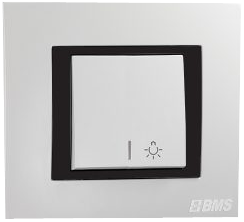
BOUTON POUSSOIR AVEC VOYANT
1.300 CFA -
×
BOUTON POUSSOIR SIMPLE
1.100 CFA -
×
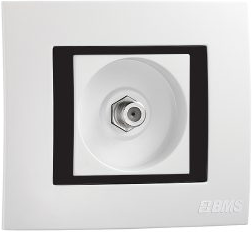
PRISE SATELLITE
1.300 CFA -
×
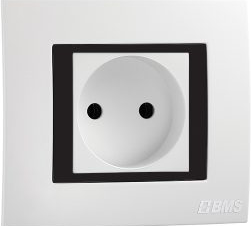
PRISE SIMPLE AVEC SECURITE ENFANT
1.000 CFA
Why Play Demo Slot Machines Before Betting Real Money?
Play Free Slots Online for Fun – No Sign-Up, No Download, Just Spin
Tired of losing track of your bankroll while exploring new games? Free slots let you spin any reel set without spending a cent, giving you pure entertainment and risk-free practice. You simply pick a game, hit the virtual spin button, and enjoy the same features and bonuses as real-money play. It’s the perfect way to test strategies or just unwind, with no pressure to wager a single dollar.
Why Play Demo Slot Machines Before Betting Real Money?
Playing demo slot machines before betting real money is the smartest way to protect your bankroll while mastering the game. Free slots let you test volatility, bonus triggers, and payline behavior without a cent at risk, so you can identify which machines actually suit your playing style. You’ll learn how often features drop and how quickly your virtual balance depletes, giving you a practical feel for pacing your real-money sessions. This hands-on rehearsal transforms guesswork into strategy, ensuring you never waste cash on a game that feels wrong. Only after you’ve confirmed your comfort level in demo mode should you consider betting—and even then, you’ll know exactly when to walk away. Surprisingly, the best free-slot practice also sharpens your instinct for when a machine is simply not worth your next spin.
How Practice Rounds Help You Learn Game Mechanics Without Financial Risk
Practice rounds let you dissect every spin’s inner workings—payline behavior, symbol values, and bonus triggers—before a single dollar leaves your pocket. You can test volatile strategies, like chasing scatter frequencies or timing bet increases, without the adrenaline skewing your judgment. By repeating failed patterns in demo mode, you build muscle memory for feature rounds and learn exactly when to walk away. This zero-stakes environment transforms raw trial-and-error into risk-free game mechanic mastery, so when you switch to real money, your decisions stem from data, not guesswork. Demo play isolates the mechanics from the money, revealing which slots actually reward patience versus punish it.
Practice rounds convert financial danger into pure learning time—mastering paytables, volatility, and bonus triggers costs nothing and pays off in informed real-money bets.
The Key Differences Between Play-Money and Real-Money Slot Sessions
The primary distinction between play-money and real-money slot sessions lies in the psychological weight of each spin. In demo mode, the absence of financial risk removes the emotional pressure that typically distorts decision-making, allowing you to observe game mechanics objectively. Conversely, real-money sessions introduce loss aversion and the sunk-cost fallacy, which often push players to chase losses or increase bet sizes impulsively. This alters your perception of volatility; a 20-spin dry streak feels inconsequential with credits, yet becomes a significant emotional event with cash. Furthermore, the pacing differs—demo play encourages rapid experimentation with bet levels and payline configurations, while real-money play demands slower, more deliberate bankroll management. The demo experience simply cannot replicate the physiological arousal of a genuine win, which is a core difference in session motivation and satisfaction thresholds.
- Demo sessions prioritize exploration of features without the urgency of bankroll depletion.
- Real-money sessions trigger behavioral shifts like loss chasing, which demo play never activates.
- Win frequency feels identical, but the perceived value of each payout scales with financial exposure.
- Session length typically shortens in real-money mode due to heightened focus and fatigue.
What Features to Look for in a No-Deposit Slot Experience
When diving into a no-deposit slot experience, prioritize games with **clear, attainable wagering requirements**—otherwise your free spins vanish before you can bank a win. Look for slots offering a demo-play mode that mirrors real paylines, so you can test volatility without risking a cent. Bonus rounds with multipliers or expanding wilds give better value from free credits, while a simple, tap-friendly interface lets you spin faster. Also, check if the slot’s RTP is displayed upfront; anything above 96% means your free balance lasts longer. A quick Q&A: *What’s the first thing to verify in a no-deposit slot?* → That the free credit applies to that specific game, not just a limited lobby. Finally, ensure the session timer or spin cap is generous—otherwise, you’re just watching the clock, not playing.
Bonus Rounds, Free Spins, and Multipliers: Which Extras Actually Boost Your Play?
Not all extras are created equal when you’re playing free slots. Bonus rounds with cascading reels or pick-and-win mechanics often deliver more value than a simple set of free spins, because they layer in interactive choices that can extend your session. Meanwhile, free spins tied to a multiplier—like a 5x or 10x boost—turn every win into a meaningful jump, especially when the multiplier applies to all paylines rather than just one. Sticky multipliers that persist across spins are the real game-changers, while random bumpers are less reliable. Persistent multipliers compound returns far better than one-off boosts.
Q: Which extra actually boosts your play the most? A: Free spins with a sticky, escalating multiplier inside a bonus round, as they combine longevity with exponential payout potential—exactly what you need from a no-deposit slot.
Volatility and RTP: How to Read a Game’s Payout Potential in Demo Mode
In demo mode, volatility and RTP become your analytical toolkit for predicting real-money behavior. RTP, the theoretical return over millions of spins, is fixed, so a 96% game will mathematically return $96 per $100 wagered long-term—but demo sessions let you verify this by tracking your own balance against a smaller sample. Volatility dictates the *rhythm* of payouts: low-volatility slots deliver frequent, small wins that keep your bankroll steady, while high-volatility games offer rare, massive spikes that drain funds quickly between hits. In free play, observe 200–500 spins to gauge hit frequency; if your demo credits endure long stretches without wins, you’re facing high variance. Use this data to match a game’s risk profile to your real-money bankroll—a low-volatility pick for extended play, or a high-volatility one only if you can absorb dry spells.
Volatility shapes win frequency, RTP sets the long-term ceiling, and demo mode lets you measure both before risking a cent.
How to Pick the Right Free-to-Play Slot for Your Playing Style
Start by deciding what you want from a session—quick bursts or a slow burn. If you crave frequent small wins, pick low-volatility free slots with lots of paylines, while high-volatility games suit players chasing rare, massive payouts. Check the bonus features too: cascading reels or pick-and-click rounds add interaction, whereas classic three-reel slots are perfect for purists who prefer stripped-back spins. Test a few in demo mode and track whether you get bored after ten minutes or keep hitting “spin.” Q: How do I know if a free slot matches my style? A: Play five spins and ask if the pacing feels fun—if you’re checking the clock, switch to a faster or more thematic game. Match the theme to your mood, whether it’s mythology, fruit, or adventure, because visual engagement keeps you invested longer.
Classic Three-Reel vs. Modern Video Slots: Matching Themes and Payout Structures
Classic three-reel slots deliver straightforward, high-variance payouts via single paylines, ideal if you crave quick wins on familiar fruit or lucky-seven themes. Modern video slots, meanwhile, layer cascading reels, bonus rounds, and 20+ paylines, but their medium-to-low volatility suits players who enjoy longer sessions exploring narrative-driven themes like fantasy quests or cinematic heists. In free-to-play mode, test whether you prefer the instant gratification of matching three identical symbols or the strategic depth of triggered multipliers. **Match the payout structure to your patience threshold**—classics pay rarely but bigger, while video slots reward frequent small hits that stretch your virtual bankroll.
Q: Which suits a 10-minute break?
A: Classic three-reel slots, because their rapid spin cycles and simple win-or-lose feedback fit short bursts, whereas video slots’ layered features demand time to unlock their full payout potential.
Progressive Jackpot Demos vs. Fixed-Prize Games: Where Your Time Is Best Spent
When comparing progressive jackpot demos versus fixed-prize games, your session length should dictate the choice. Progressive demos mirror the real accumulator mechanics, letting you test trigger frequency and bonus round odds without risking a cent—ideal for players who want to practice the long-shot chase. However, these demos often feature lower base-game RTP returns, so your time yields less frequent small wins. Fixed-prize demos, by contrast, reveal predictable hit rates and stable volatility curves, making them superior for honing bankroll pacing or experimenting with bet sizing strategies. If you value immediate feedback on payline behavior, spend time on fixed-prize titles. If you need to map jackpot qualification patterns, dedicate sessions to progressive demos.
For pure gameplay tuning, fixed-prize demos reward your time; for learning jackpot chase mechanics, progressive demos justify a focused session.
Tips for Getting the Most Value Out of Your Practice Sessions
To get the most value from free slots practice, treat each session with the same focus as a real-money game. First, set a specific goal, such as mastering a bonus round or testing a new volatility range, rather than spinning aimlessly. Use the demo mode to experiment with different bet sizes and payline configurations, observing how they alter payout frequency without financial risk. Track which games offer the most engaging features, and note how often certain symbols trigger free spins, building a mental strategy. Finally, alternate between different titles during one session to sharpen your adaptability, ensuring your practice covers varied mechanics rather than just repetitive spins.
Bankroll Management Tricks You Can Test Without Spending a Cent
Treat free slots as your personal lab for risk-free bankroll management trials. Start by assigning a fake 100-unit balance and enforce a strict 5% bet cap per spin—you’ll instantly see how longevity shifts versus flat betting. Next, test the 50/30/20 split: reserve 50% for low-volatility games, 30% for medium, and 20% for high-risk spins. Track your session length and virtual win/loss ratio across ten rounds. Finally, practice the “three-loss stop” rule—after three consecutive losses, drop your stake by half for five spins. You’ll calibrate discipline and exit points without risking a cent, giving you a proven formula before real-money play.
How to Spot High-Frequency Hit Games vs. High-Risk, High-Reward Titles
To distinguish high-frequency hit games from high-risk, high-reward titles in free slots, examine the paytable’s smallest win tiers. Frequent hitters show dense clusters of low-value payouts (e.g., 2x–5x your bet) across many symbol combinations, while volatile slots concentrate rewards in rare, oversized jackpots or bonus multipliers. Test a game’s “feel” by tracking 50 free spins: if your balance depletes slowly with steady trickles, it’s a low-volatility engine; if you endure long dry spells punctuated by sudden spikes, expect high variance. Check the slot’s maximum win cap—titles advertising 10,000x+ are typically high-risk, whereas capped 500x–1,000x wins suggest consistent base-game returns. Finally, read the help section for bonus frequency; games with retriggerable free spins and sticky wilds often balance risk better.
High-frequency hit games prioritize entertainment longevity, whereas high-risk titles demand patience for explosive payoffs.
Q: How non gamstop casino to spot high-frequency hit games vs. high-risk, high-reward titles without playing?
A: Open the game’s “info” screen—if the lowest four symbol payouts are all within 1x–3x your stake, it’s likely low-volatility. High-risk titles show a steep payout ladder, with only premium symbols paying more than 5x, plus a massive jackpot tier.
When to Switch Games: Signs You’ve Mastered a Slot’s Rhythm
You know it’s time to switch when you can predict the cadence of bonus triggers within a few spins, noticing that the payout frequency has become a fixed loop rather than random chance. Another sign is when your betting adjustments—raising or lowering the coin size—no longer alter the hit rate, meaning the algorithm’s rhythm is fully mapped. If you consistently anticipate the exact re-spin sequence or the volatility spike after a dry streak, you’ve extracted the pattern’s educational value. At that point, the session teaches nothing new, so move to another title to test a different volatility rhythm analysis. Staying only breeds complacency, not skill.
Clear Answers to Common Questions About No-Cost Slot Play
Free slots offer a risk-free way to test games, but common questions often center on whether wins are real. The answer is straightforward: no-cost slot play gives you virtual credits, so any winnings are demo-only and cannot be cashed out. However, these spins use the same random number generator as real-money modes, meaning paytables and hit frequencies are accurate for practice. Another frequent query is whether you need to register—most no-cost versions require zero sign-up, letting you jump straight into the reels. Budget-minded players also ask if free play drains system resources; it does not, as these games run efficiently in any browser. Ultimately, clear answers about free slots confirm that they are perfect for learning bonus rounds and volatility without financial pressure. Use them to refine strategy before depositing, since the mechanics mirror the paid experience exactly.
Do Free Versions Use the Same Random Number Generator as Paid Ones?
Yes, in nearly every reputable case, the demo mode and the real-money mode of the same slot share the exact same certified random number generator (RNG) core. That means the mathematical heartbeat—hit frequency, volatility, and payout pacing—is identical whether you’re betting demo credits or cash. The only difference is the absence of a monetary stake, not the algorithm. To verify this, follow this quick sequence:
- Open the game’s help or info screen in free play and note the RNG provider (e.g., Microgaming, NetEnt).
- Switch to the paid demo version on a casino lobby (if available) and check for the same provider ID.
- Compare your session feel—if wins and dead spins cluster identically, you’re on the same engine.
Developers don’t cripple free spins or inflate hit rates in demos because doing so would break their audited fairness. So trust the spins—the randomness doesn’t know your balance.
Can You Win Prizes from Demo Slots, or Is It Purely for Fun?
Demo slots operate on virtual credits, so you cannot convert your play into cash prizes or tangible rewards. Winnings in these free versions are purely simulated, resetting the moment you leave the game. However, some online casinos run promotions or loyalty programs that award bonus points, free spins on real-money games, or tournament entries for playing demo modes. Winning physical prizes from demo slots is virtually nonexistent, but you can earn secondary perks through specific casino offers. These rewards depend entirely on the operator’s terms, not on your slot results.
- No real-money payouts are ever issued from demo play.
- Some casinos give loyalty points for demo sessions, redeemable for bonuses.
- Occasional demo-only tournaments offer small prizes or free spins.
- Always read the promotion’s eligibility rules before assuming any reward.
How Long Should You Practice Before Playing for Real Money?
There’s no magic number, but a solid rule is to play free slots until you hit at least 50–100 total spins on the specific game you like. That’s enough to feel the base hit frequency and bonus trigger rate without rushing. For volatile slots, stretch that to 200 spins to see real swings. Start with a small real-money deposit you’re okay losing, and only switch when the free version feels boring—not when you’re chasing a win. Your goal is comfort with the paytable and pace, not mastery.
- Practice until you can explain the bonus rules without looking them up.
- Time yourself: if you’re still checking buttons after 30 minutes free, wait another session.
- Set a loss limit before your first paid spin and stick to it.
- Use free play to test betting strategies like minimum vs. max lines.