
-
×
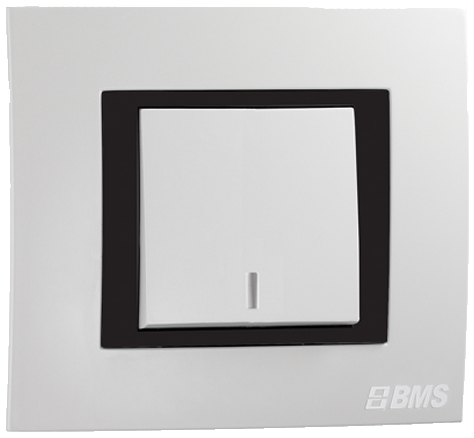
INTERRUPTEUR SIMPLE ALLUMAGE
1.000 CFA
What Makes a Slot Game Worth Your Time and Money?
Master the Reels: Winning Strategies for Modern Slot Games
When a player inserts a coin and pulls the lever, the reels spin with a unique combination of symbols, and the random number generator instantly determines the outcome of that spin. Slot games operate by matching these symbols across active paylines, with each spin offering an independent chance to trigger bonus rounds, free spins, or a progressive jackpot. The core benefit lies in its straightforward mechanics—no skill or strategy is required, only a wager and a spin, making it instantly accessible to any player. Understanding the paytable before playing is the primary step to aligning your bet size with the game’s volatility and potential payout structure.
What Makes a Slot Game Worth Your Time and Money?
A slot game earns your time and money when it offers transparent value through RTP and volatility that match your bankroll. You should only invest in games where the return-to-player percentage sits above 96%, ensuring you get more play for your cash over the long run. A worth-it slot also pairs meaningful bonus features—free spins, multipliers, or cascading reels—with a hit frequency that keeps your session engaging without draining your balance too fast. The real test is whether the game’s maximum win potential justifies the risk. If a slot delivers clear rules, fair payouts, and entertainment that outlasts your deposit, it’s a solid use of your funds. Avoid games that hide their numbers or rely on gimmicks; stick to those that reward your patience and strategy consistently. That’s what separates a smart bet from a wasted one.
Key Features That Separate High-Quality Slots From the Rest
The sharpest slots stand apart through **high-quality slot mechanics** that respect your bankroll and time. Look for transparent volatility ratings and RTP percentages displayed upfront, so you know exactly how wins distribute before spinning. Superior titles layer interactive bonus rounds with meaningful choices—not just click-through features—alongside cascading reels or expanding wilds that create genuine momentum. Pay attention to hit frequency: a quality game balances near-misses and small payouts to keep engagement high without draining funds abruptly. Max win potential should be clearly stated, and mobile optimization must feel flawless, with seamless transitions between spins. Avoid clones with identical paytables; distinctive themes and mathematically audited payout structures signal developer care.
High-quality slots separate themselves through transparent RTP, meaningful bonus interactivity, balanced hit frequency, and distinctive design—features that directly control your play experience and long-term value.
Understanding RTP and Volatility Without the Jargon
Understanding RTP and volatility without the jargon starts with a simple lens: RTP is the theoretical return, while volatility is the risk pattern of that return. Think of RTP as a percentage—say 96%—meaning over countless spins, the game pays new online casinos back $96 per $100 wagered, but it says nothing about when. Volatility fills that gap. Low volatility delivers frequent, smaller wins, keeping your balance stable but rarely thrilling. High volatility offers long dry stretches punctuated by larger payouts, testing your bankroll’s patience. To apply this practically, match volatility to your session length and budget: low for casual play, high for chasing bigger swings. The payback rhythm—not the number alone—determines whether a slot feels rewarding to you, so prioritize games whose RTP and volatility align with how you actually play.
How to Pick the Right Slot Game for Your Playing Style
Choosing the right slot game begins with knowing your own risk tolerance, not the theme. If you crave frequent, smaller wins to stretch your bankroll, target **low-volatility slots** with high hit frequencies, like classic fruit machines or cascading reels. For thrill-seekers chasing massive payouts, high-volatility games—often with progressive jackpots or bonus buy features—require a larger budget and patience for dry spells. Check the RTP (return-to-player) percentage to ensure long-term value, prioritizing anything above 96%. Also, match your attention span: pick simple, three-reel slots for quick sessions, or feature-rich, multi-payline games with free spins and multipliers to stay engaged.
Never choose a game solely on its graphics; volatility is the true engine of your experience.
Finally, test any slot in free-play mode first to feel its rhythm before risking real money.
Low, Medium, or High Variance—Which One Fits You Best?
Choosing between low, medium, or high variance hinges entirely on your bankroll size and emotional tolerance for dry spells. Low variance slots fit players seeking frequent, small wins that stretch session time for minimal risk—ideal if you prefer steady entertainment over jackpot chases. Medium variance suits balanced players who accept occasional quiet periods for modest payouts that exceed your stake. High variance demands a larger bankroll and patience, as wins may not land for hundreds of spins, yet one hit can multiply your deposit severalfold. Be honest: if a losing streak makes you anxious, stick to low; if you thrive on suspense, high is your match.
Themed Slots vs. Classic Reels: Matching the Game to Your Taste
Choosing between themed slots and classic reels hinges on your mental engagement preference. Matching the game to your taste requires assessing whether you value narrative immersion or mechanical purity. Themed slots layer storylines, animated symbols, and bonus rounds onto the base game, which can distract from payline logic but amplify entertainment value. Classic reels, by contrast, strip away all narrative, offering rigid symbol sets and straightforward payouts—ideal if you track combinations manually. For a logical approach, follow this sequence: first, identify your tolerance for visual noise; second, test a demo mode for both types; third, note whether your focus drifts during themed cutscenes. If you prefer direct cause-and-effect outcomes, classic three-reel structures reduce cognitive load, while multi-level themed games suit players who enjoy delayed gratification through feature unlocks.
- Assess your attention span during spin intervals.
- Compare hit frequency between a fruit machine and a story-driven slot.
- Choose based on which keeps you actively engaged without frustration.
Getting Started: A Step-by-Step Guide to Playing Your First Spin
To begin your first spin, start by selecting a slot game that matches your preference for volatility and theme, then set your bet size using the plus and minus controls before activating the reels. Press the spin button once to initiate a single round, or use autoplay for a predetermined number of spins, but always monitor your balance between rounds. After the reels stop, the payline evaluation determines any win, and you can check the paytable to understand symbol values and bonus triggers. For your initial session, choose a low-denomination bet to extend playtime and learn the game’s rhythm without risking a large bankroll. Always review the game’s rules before spinning, as features like cascading reels or wild substitutions alter payouts. Set a loss limit before you start, and stop once you hit it, regardless of near-misses. Understanding that each spin is an independent event can help you avoid chasing losses, yet it rarely feels that way in the moment. Finally, cash out any winnings after a few successful rounds to lock in your results.
Setting Your Bet Size and Managing Your Bankroll From the Start
Before you spin, decide on a session budget you’re comfortable losing, then split it into smaller chunks for each round. Set your bet size so each spin uses roughly 1–2% of that total, which keeps your gameplay steady instead of burning through cash in a few frantic clicks. **Managing your bankroll from the start** means picking a coin value and payline count that match your pace, not the max just because a jackpot looks shiny. A good rule? If a spin costs more than your per-session cap divided by fifty, drop the bet.
- Start with the lowest bet to learn the game’s rhythm before raising stakes.
- Set a loss limit (e.g., 20% of your bankroll) and stop when you hit it.
- Track every bet in your head or on a note app—no guessing.
- Re-adjust your bet size after a few wins to lock in profit, not chase it.
Reading the Paytable and Understanding Win Lines Before You Play
Before your first spin, always open the paytable to see which symbols trigger the biggest rewards—this is your direct map to the game’s potential. Win lines determine how matching symbols must align, so count them carefully; a 20-payline slot pays vastly differently than a 243-ways engine. Check if wins pay left-to-right or both directions, and note special symbols like wilds or scatters that substitute or unlock bonuses. Understanding win lines before wagering prevents costly mistakes and turns random spins into informed choices. Scale your bet to activate all lines, then spin with confidence.
Paytable knowledge plus win-line awareness transforms blind luck into a calculated spin strategy.
Bonus Rounds, Free Spins, and Multipliers—How to Use Them to Your Advantage
You watch the reels align, and the screen pulses gold—three scatter symbols have just triggered the bonus round, and your heart rate spikes because you know this is where the game truly begins. The key is to let the free spins play out without increasing your bet mid-feature, since the multiplier often accumulates across every spin, turning modest wins into a cascading avalanche of credits. Target slots where the multiplier applies to *all* free spin wins, not just one line, and always check if a retrigger is possible—that’s your chance to stretch the round further. Strategy here is patience: don’t chase losses after a bonus, but do maximize your base bet when you’re two symbols away from triggering, because volatility favors the bold. Q: Should you adjust your stake during free spins? A: No, keep it steady—most games lock in the triggering bet, so altering it won’t change the multiplier, but it can drain your balance if you lose focus. When a wild expands during a bonus round, it often pairs with a 2x or 3x multiplier—wait for that combination instead of cashing out early, and you’ll see the payout difference in real time.
Triggering the Most Lucrative Special Features in Modern Slots
To trigger the most lucrative special features, study the paytable for scatter-triggered bonus rounds, as these often unlock progressive multipliers that stack across spins. Prioritize slots where three scatters land on reels one, three, and five, but use the “buy bonus” option only when the cost is below 100x your stake—this guarantees immediate access to high-volatility feature rounds. During free spins, retrigger by landing bonus symbols inside the feature, not just the base game, since each retrigger can double your active multiplier. Also, target slots with “multiplier trails” that escalate with every wild hit during the bonus, resetting only after a non-winning spin. Finally, activate max bet strategically only when the game’s RTP rises in feature mode, amplifying your payout ceiling.
Triggering lucrative features means chasing scatters, buying bonuses below 100x stake, retriggering inside free spins, and maximizing multiplier trails for exponential wins.
Why Gamble Features Can Boost or Bust Your Session
Gamble features are high-risk, high-reward options that appear after a winning spin. Choosing to wager your payout can double it, but a single wrong guess wipes it out entirely. This makes gamble feature volatility your session’s pivot point: a cold streak will instantly drain profits, while a lucky streak can multiply your bankroll in seconds. Never gamble your entire session’s profit; instead, set a fixed amount you are willing to lose. Quit while ahead—the house edge on these mini-games is typically steeper than the main slot’s RTP, so prolonged play erodes your edge.
- Only gamble winnings you can afford to lose completely.
- Stop after two consecutive successful gambles to lock in gains.
- Use gamble features only on small wins, never on bonus-triggered payouts.
- Treat it as a voluntary tax, not a strategy—expect to lose more often than you win.
Maximizing Your Session: Practical Tips for Longer and More Enjoyable Play
You settle into your favorite chair, the reels humming with promise, and the first lesson for a longer session is setting a gentle timer—it turns a frantic sprint into a steady march. Instead of hammering max bet on every spin, lower your wager per line to stretch your bankroll across hundreds of extra spins, letting the game’s bonus rounds find you naturally. When you hit a modest win, bank half of it immediately; this simple habit keeps your starting balance intact while you chase the big symbols. Autoplay with a loss limit is your silent guardian, pausing the action before frustration creeps in, so you can reset with a fresh mind. Pick games with frequent small payouts over rare jackpots—they keep the narrative alive, each spin a new chapter, and your enjoyment lasts far past the first coffee refill.
Smart Bankroll Splitting Strategies That Keep You in the Game
Smart bankroll splitting converts a single session into multiple, defensible micro-sessions, which directly extends playtime. Instead of one lump sum, divide your total into three distinct tiers: a primary stake (60%) for standard spins, a reserve (25%) for targeted bonus buys, and an emergency buffer (15%) that is never touched unless you have recovered at least half of your initial losses. This tiered structure creates a logical stop-loss trigger: once a tier is exhausted, you drop to the next, forcing a natural pace reduction. Strategic bankroll compartmentalization prevents catastrophic single-bet wipeouts. A clear sequence for execution is:
- Calculate total session funds and immediately split into the 60/25/15 ratio.
- Set a time-based rule, like 20 minutes per tier, before any switch.
- Re-evaluate after each tier is spent, not during active play.
This method keeps your decision-making purely arithmetic, filtering out emotional chasing, so each spin is backed by a pre-assigned budget cap, not impulse.
Recognizing When to Walk Away and Locking in Your Winnings
Recognizing when to walk away and locking in your winnings is the discipline that separates a successful session from a losing one. Set a clear profit target before you spin, such as 30–50% above your starting bankroll, and commit to cashing out once you hit it. Similarly, establish a loss limit; if you reach it, stop immediately without chasing. A practical tactic is to use the “cash out” feature on the machine or withdraw your ticket as soon as your target is met, physically removing the temptation to re-invest. Locking in your winnings with a predetermined threshold protects your bankroll and ensures you leave with a positive outcome.
- Pause after every significant win to assess your remaining bankroll.
- Convert large token credits into redeemable tickets or cash immediately.
- Take a 10-minute break after hitting your target to reset your impulses.
Frequently Asked Questions About Slots Every New Player Should Know
New players often ask how slot games determine wins, with the core answer being that random number generators ensure every spin is independent and unpredictable. A common question is whether betting more improves odds; it doesn’t alter the RNG, but it does unlock higher paylines or bonus features in many games. Regarding volatility, low-volatility slots pay smaller amounts frequently, while high-volatility ones offer larger but rarer wins—choose based on your bankroll. Another frequent query is about return-to-player percentages, which indicate theoretical long-term payouts, not short-term results. Finally, players ask if they can influence outcomes; no strategy changes the result, so set loss limits and treat each spin as entertainment.
Can You Predict When a Slot Will Pay Out?
No, you cannot predict when a slot will pay out, because every spin is an isolated event driven by a Random Number Generator (RNG). This means past losses or near-misses have zero influence on future results, so chasing a “due” jackpot is a myth. Instead of looking for patterns, focus on volatility and RTP to manage expectations, as these stats reveal long-term behavior, not short-term timing. A machine that hasn’t hit in hours is just as likely to lose again as it is to win on the next spin. Treat each spin as a fresh, unpredictable chance, and set a budget that accepts this reality.
You cannot predict a slot payout—RNGs ensure every spin is random and independent, so no strategy or timing can forecast a win.
Are Progressive Jackpot Slots Worth the Extra Bet?
Whether progressive jackpot slots justify the extra bet depends entirely on your bankroll and psychology. The additional wager typically purchases eligibility for the top prize, and without it, you forfeit the life-changing payout even if the symbols align. Mathematically, the house edge often increases with that extra coin, making regular spins slightly less favorable. However, the potential return on a single winning spin can dwarf thousands of standard sessions. For players who treat slots as entertainment rather than income, the premium becomes a ticket to a dream rather than a sound investment. Only wager the extra amount if you can absorb the higher volatility without chasing losses. Progressive jackpot slots are worth the extra bet solely when the chase itself adds value to your experience.