
-
×
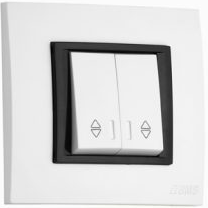
INTERRUPTEUR DOUBLE VA ET VIENT
1.400 CFA -
×
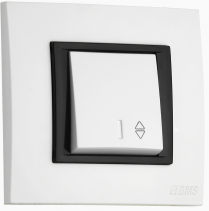
INTERRUPTEUR VA ET VIENT
1.200 CFA
What Exactly Happens When You Wager Real Money Online
Top Real-Money Casinos That Actually Pay Out Fast
Did you know that real-money casino games can pay out winnings in under a minute after a lucky spin? At its core, a real-money casino lets you wager actual cash on games like slots, blackjack, or roulette, with the chance to multiply your stake instantly. Winning real cash from your couch is the biggest draw, but you also get perks like deposit bonuses and free spins to stretch your bankroll further. Simply pick a game, set your bet, and hit play—your balance updates in real time as wins land.
What Exactly Happens When You Wager Real Money Online
When you wager real money online at a real-money casino, your stake is instantly converted into a digital balance that represents actual cash, not play credits. That wager triggers a real-time transaction where the casino’s software deducts your funds and locks them into the specific game’s session, creating a binding contract on the outcome. If you win, the payout is calculated against your original stake, and the new total is credited directly to your account—often within milliseconds, but always traceable to your deposit method. The key insight is that every spin or hand is a direct financial event:
your bankroll is not simulated, so losses are gone forever, and wins are immediately yours to withdraw or re-wager.
This immediacy separates real-money play from free games, as the house edge now applies to actual cash, making every decision a genuine risk-reward calculation.
Breaking Down the Deposit-to-Payout Flow
Your real-money journey starts the second you fund your account, but the flow from deposit to payout is a precise chain of events. You choose a payment method, and the casino instantly verifies funds before converting them into playable credits. Every wager updates your balance in real time, syncing with the provider’s server to prevent discrepancies. When you hit a win and request a cashout, the system triggers a deposit-to-payout verification loop: it checks your identity, confirms wagering requirements are met, and reverses any bonus funds before releasing your winnings. Payout speed then depends on method—e-wallets often process in hours, while bank transfers lag for days. At each step, the casino’s ledger reconciles your action, ensuring no phantom credits or lost withdrawals.
Q: Does my withdrawal request fail if I deposit with a different method than I used to fund the account?
Yes, most casinos force you to withdraw via the original deposit method, a security measure tied directly to the deposit-to-payout flow. If that method is unavailable, you’ll need to verify an alternative, adding time to the cycle.
Understanding RTP, House Edge, and Volatility in Plain Terms
When you wager real money, RTP and volatility work together to shape your actual experience. RTP (Return to Player) is the theoretical percentage a slot pays back over millions of spins—so a 96% RTP means the house edge is just 4%, but that’s a long-term average, not a promise for your session. Volatility, meanwhile, dictates the emotional ride: low-volatility games hit small wins frequently, keeping your bankroll steady but rarely delivering big payouts, while high-volatility slots can drain your balance fast before dropping a massive win that rescues you. House edge is baked into every bet, ensuring the casino profits over time, but understanding it helps you pick games that stretch your money further. You can’t beat the math, but you can choose which kind of risk feels right for your bankroll.
RTP tells you the theoretical return, house edge is the casino’s cut, and volatility decides how bumpy the ride gets—master these three, and you’ll wager with clear eyes instead of blind hope.
How to Pick a Platform That Actually Pays Out Winnings
The first time I hit a decent jackpot on a real-money casino, the real game began at the cashier. I learned that a platform that actually pays out winnings isn’t the one with the flashiest slots—it’s the one that lets you walk away. Check the withdrawal speed before you deposit; a credible payout platform will show clear processing times next to each banking method. I always run a micro-deposit and cash-out test within the first hour. If your request stalls for a week, you’ve found a trap. Also, scrutinize the terms for bonus wagering—those hidden multipliers on winnings often void your balance. A reliable real-money casino will never brag about payouts; it just delivers them to your account within the stated window. Trust the ones that answer your withdrawal questions before you ever make a bet.
Key Payment Speed Indicators You Can Verify Yourself
Before you commit, test the withdrawal timer yourself. Head to a live chat and ask for the *current* payout queue; if they dodge the answer, treat it as a red flag. Check the cashier page for a stated “pending” period—typically 0 to 72 hours—and compare it across banking tabs. A truly fast casino will display a real-time transaction history with timestamps from request to approval. Also, trigger a small cash-out immediately after a minor win; the moment your “pending” status flips to “completed” is your concrete speed benchmark. Finally, verify uk casinos whether the speed indicator changes on weekends or only applies to e-wallets, not cards.
Why Game Selection Matters More Than Bonuses for Cash Play
When playing for real money, the game’s return-to-player rate dictates your long-term cost, not the welcome bonus’s fine print. A 200% match means nothing if the eligible slots have a 92% RTP; the house edge immediately consumes your deposit. Conversely, a no-bonus blackjack table at 99.5% RTP gives you a fighting chance. Bonuses often carry wagering requirements that force you into high-volatility, high-edge games, effectively doubling your expected loss. Always audit the paytable and RTP before accepting any promotion. A smaller bonus on a low-edge game outperforms a huge bonus on a rigged or high-edge title. Your survival depends on the game’s mathematics, not the marketing offer.
Is it smarter to ignore a bonus to play a better game? Yes—if the bonus forces you into games with worse odds, the bonus’s value is negative. Choose the game first, then see if the bonus applies to it.
Smart Bankroll Tactics for Playing With Real Cash
Smart bankroll tactics for real-money casino play begin with setting a strict loss limit before any session, and never exceeding it regardless of streaks. Allocate only a fixed percentage of your total bankroll per wager—typically 1-2%—to survive variance and extend play. Divide your cash into session budgets, and stop when a segment is gone, avoiding chase bets that erode discipline. Cash out a portion of any significant win to lock in profit, and keep your funded balance separate from daily expenses. Prioritize low-house-edge games like blackjack or baccarat to make each dollar work harder. Q&A: Should you raise bets after a win? Rarely—maintain consistent stakes unless your bankroll has grown by over 50%, then recompute your 1% base.
Setting Loss Limits and Win Goals That Keep You in Control
Before you deposit, define your hard stop-loss and your take-profit win goal in cash, not percentages. A loss limit of, say, $50 means you quit immediately when that number is hit, preventing tilt-driven chases that erode your bankroll. Likewise, a win goal of $100 locks in a profit and forces you to walk away, avoiding the common trap of giving winnings back. Pre-set boundaries are your only real shield against impulsive betting in a real-money casino. Separate these two numbers on paper and never adjust them mid-session, no matter how tempting the streak feels. This discipline transforms gambling from a reactive spiral into a controlled, finite activity.
When to Walk Away: Signals Your Session Should End
Walking away is not defeat; it is a calculated trigger based on predefined loss limits. If your bankroll drops by 20–30% within a short cycle, the statistical probability of recovery diminishes sharply, making continuation a negative-expectation move. Similarly, a sudden emotional spike—anger after a bad beat or euphoria after a win—signals impaired judgment; your decisions shift from probability to impulse. Session-ending signals must be set before the first spin, not during play, as fatigue or tilt blinds your risk assessment. Also, exit if you have hit a modest win target, protecting profit from regression. Q: When should a session end despite a winning streak? A: The moment your win exceeds your loss limit by 50%, lock it in—streaks revert statistically.
Leveraging Bonuses and Cashback Without Getting Trapped
Bonuses and cashback in a real-money casino can stretch your bankroll, but the trap is always hiding in the fine print. First, always calculate the wagering requirement as a multiple of your deposit plus the bonus, not just the bonus alone—a 40x on both can eat your balance before you ever see a payout. Stick to games that contribute 100% toward playthrough, like slots, and avoid blackjack or roulette unless you enjoy watching your progress crawl. Cashback is your safety net, but treat it like a refund, not income—use it to recover a single bad session, then walk away. The real skill is knowing when a bonus is mathematically worse than just playing with your own cash. Set a hard stop-loss before claiming anything, and never chase a bonus you can’t afford to lose outright.
How to Read Wagering Requirements Before You Deposit
Before depositing, locate the wagering requirements in the bonus terms, usually expressed as a multiplier (e.g., 35x). Multiply that number by your deposit plus bonus to calculate the total amount you must wager. Check if the game you plan to play contributes 100% to this rollover; slots usually do, but table games often contribute only 10–20%. Identify a maximum bet cap per spin or hand, as exceeding it voids the bonus. Then, review the expiry window—typically 7 to 30 days—and confirm whether the bonus is sticky or deducted from withdrawals. Finally, look for a maximum cashout limit, which caps your winnings after meeting the playthrough.
- Calculate total wager amount (deposit + bonus) × multiplier.
- Verify game contribution percentages for your chosen game.
- Note the max bet per round and the validity period.
Using Free Spins and Reload Offers to Extend Real-Money Play
Free spins handed out after a deposit let you test new slots without dipping into your bankroll, effectively stretching every dollar you fund your account with. Likewise, reload offers on subsequent deposits give your balance an instant boost, meaning you can keep chasing wins even after your initial bonus runs dry. The trick is to focus on the wagering requirements tied to free spins and reloads—if they’re under 30x, you’re in good shape. By stacking these offers strategically, you transform short-lived bankrolls into extended sessions, which is the core of extending real-money play without risking extra cash.
Common Pitfalls That Drain Your Balance Fast—and How to Avoid Them
The fastest way to drain your balance is chasing losses—that gut punch after a bad spin makes you double down instead of stepping away. Also, skipping game rules means you bleed money on high-house-edge slots when low-volatility blackjack would stretch your funds. Set a hard loss limit before you log in and stick to it religiously. Never play with money earmarked for bills, and always treat your deposit as spent the moment it lands. Q: Why do I bust so quickly? A: Because you’re betting max on progressive slots and ignoring the paytable—switch to fixed bets and smaller denoms to last longer.
Chasing Losses: Why It Backfires and What to Do Instead
Chasing losses occurs when you increase bets after a losing streak to recover money quickly, but this disrupts bankroll management and often accelerates depletion. The psychological urge to “win it back” overrides rational stake sizing, leading to larger wagers on unfavorable odds and deeper financial holes. Instead, set a hard session loss limit before playing and walk away the moment it is reached, treating that amount as the cost of entertainment. Alternatively, switch to a fixed flat-betting strategy to stabilize volatility. **Recognize chasing losses as the primary driver of rapid balance depletion** and reframe any loss as final, not recoverable.
Chasing losses backfires by forcing oversized bets under emotional pressure; the only effective counter is a pre-set loss limit and accepting the session as closed.
Mistakes With Payment Methods That Delay Your Cashouts
Entering an incorrect card number or expired CVV is the most frequent error that triggers delayed cashout processing, as the payment provider’s automated verification fails silently, forcing manual review. Choosing a withdrawal method different from your deposit method also stalls funds, since casinos require matching source verification for anti-fraud checks. Forgetting to use the exact same e-wallet email you registered leads to identity mismatches and a 24–72 hour hold. Additionally, selecting an unavailable method (e.g., bank transfer for small amounts) causes rejection, then re-queueing from the start. Always double-check the pre-filled amount against your balance, and confirm your preferred payout option is active before requesting—not after the timer resets.
How to Test a Site’s Fairness With Small Stakes First
To test a site’s fairness with small stakes first, begin by placing minimum-bet wagers on games with visible outcomes, such as live roulette or blackjack, rather than software-driven slots. Track your win-to-loss ratio over 30–50 rounds, noting whether payouts match the published RTP (return-to-player) curve. For slots, use free-play rounds, then switch to low-denomination spins, comparing hit frequencies against the game’s stated volatility. Small-stakes fairness testing also involves timing withdrawal requests: deposit a modest amount, win a bit, and cash out immediately to verify the site honors payouts without hidden holdbacks.
- Set a fixed budget (e.g., $20) and divide it into 10 equal units.
- Play one unit per round across different providers to compare edge.
- Log actual losses versus theoretical house edge after 50 bets.
- If results deviate by more than 5% from expected variance, test another game or payout audit tool before raising stakes.
Only escalate bets after three consecutive sessions show statistical consistency.